

Dr. Virendra Singh Sangwan

In the latest episode of InnoHealth Magazine Podcast, Soumya Singh sat down with Dr. Virendra Singh Sangwan, a renowned ophthalmologist at Dr. Shroff’s Eye Care Charity Hospital, to discuss the latest advancements in eye health, emerging technologies in treatment, and how we can protect our vision in an increasingly digital world.
A Personal Journey into Ophthalmology
Dr. Sangwan’s journey into ophthalmology is deeply personal and rooted in a moment of inspiration during his early years. Reflecting on his path, he shared a story his mother told him from his childhood, a defining experience that guided his professional choices. This story is also a central part of his book, Unbound, which outlines his life journey and the lessons he’s learned along the way.
Dr. Sangwan’s experiences emphasize how seemingly random decisions, sometimes made without a clear vision at the time, can lead to fulfilling and impactful careers. His book serves as a framework for young adults navigating their professional and personal lives, encouraging them to dream big and embrace paths that may not always seem conventional.
Emerging Technologies in Eye Care
Over the years, the field of ophthalmology has seen incredible advancements. Dr. Sangwan recalled a time when, during his training in the late 1980s, ophthalmology was devoid of the advanced technologies we have today. However, things have drastically changed, and today, the field boasts innovations such as stem cell therapies, bioengineered corneas, and the latest, the liquid cornea.
The liquid cornea, a bioengineered solution for treating corneal damage, is one of the most exciting developments in modern eye care. Dr. Sangwan elaborated on how this technology could revolutionize corneal transplants and other treatments for patients with severe eye conditions.
Protecting Eye Health in the Digital Age
With the rise of digital screens in everyday life, protecting our eyes has become increasingly important. Dr. Sangwan addressed the issue of prolonged screen time, a concern for many in the digital age, especially those working in corporate environments. While using screens isn’t inherently harmful, he emphasized the importance of giving eyes proper rest.

He recommended taking a 2-3 minute break every 20-30 minutes of screen time, blinking forcefully to refresh the eyes, and using lubricating eye drops if symptoms of dryness or discomfort arise. Adjusting the position of your screen to eye level and using blue light filters on devices can also help minimize strain.
For those concerned about the impact of blue light, Dr. Sangwan suggested that while protective screens and special glasses might offer some relief, the key is to manage screen time and ensure that breaks are regularly taken to prevent eye fatigue.
Eye Health in Children
One concerning trend Dr. Sangwan noted is the increasing number of young children wearing glasses. This is largely due to the rise in screen time at a young age. In countries like China, Hong Kong, and Singapore, where screen use among children is particularly high, nearly 80% of the population wears glasses. In India, the rate is growing, especially among urban populations.
Dr. Sangwan explained that excessive screen time at a young age, combined with limited outdoor activities, contributes to the worsening of children’s eye health. He encouraged parents to ensure that children engage in outdoor physical activities, which can help balance the effects of screen time and contribute to better vision development.
The Link Between Diabetes and Eye Health
Diabetes, a condition prevalent in India, has significant implications for eye health. Dr. Sangwan discussed diabetic retinopathy, a complication of diabetes that can lead to vision loss if left untreated. With India having the highest number of diabetic patients globally, it is crucial for individuals with diabetes to monitor their blood sugar levels and maintain a healthy lifestyle, including regular exercise and a balanced diet.
Dr. Sangwan explained how high blood sugar levels affect the retina, leading to reduced blood supply, bleeding, and in severe cases, retinal detachment. Timely detection and management of diabetes can help prevent or mitigate the effects of diabetic retinopathy.
Nutrition and Its Impact on Eye Health
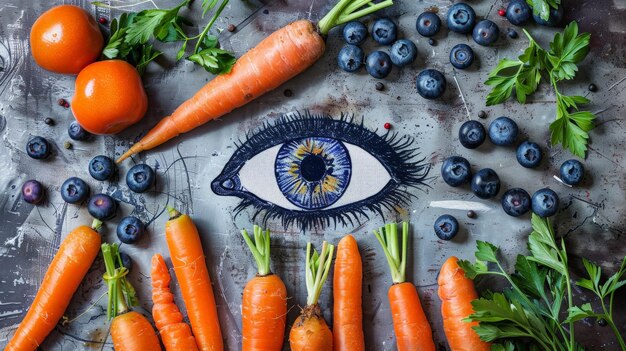
Diet plays a key role in maintaining good eye health. Dr. Sangwan recommended traditional foods such as seasonal fruits and vegetables, milk, and curd, which are rich in nutrients essential for eye health, including vitamin A. He specifically mentioned the benefits of eating carrots and radishes, which are high in vitamin A, during the winter months.
Although Ayurveda offers several remedies for improving eyesight, Dr. Sangwan emphasized that, as an allopathic doctor, his expertise lies in more scientifically proven methods. Nevertheless, he acknowledged the importance of maintaining a balanced diet for overall health, including eye health.
Final Thoughts on Eye Health
Dr. Sangwan concluded the conversation with an important message for listeners: 80% of the information we gather about the world comes through our eyes. He urged people of all ages, whether young or old, to prioritize their eye health by maintaining a balanced diet, taking regular breaks from screens, and scheduling routine eye checkups. Protecting our eyes ensures that we can continue to fully engage with and appreciate the world around us.
Authors Biography
Dr. Virender Singh Sangwan is a globally acclaimed ophthalmic surgeon, pioneered SLET for corneal blindness, treated 800+ patients, authored 274 papers, and led innovations at LVPEI and Dr. Shroff’s Eye Hospital.

