
Exploring the Landscape of India’s Pharmaceutical Industry
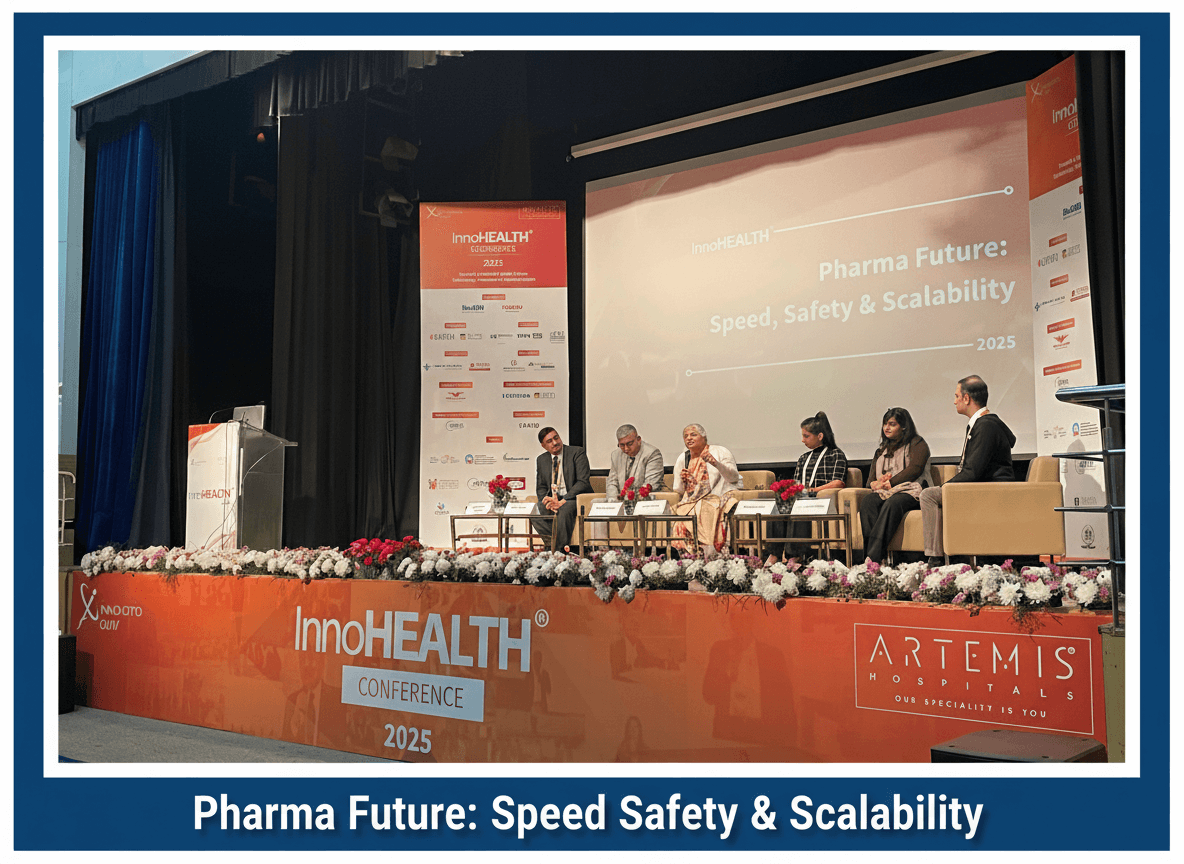
The pharmaceutical industry in India is poised for a remarkable transformation, with the potential to achieve an estimated $120-$130 billion in revenue by 2030. This growth requires a focus on speed, safety, and scalability. A recent session titled “Pharma Future: Speed, Safety & Scalability” brought together industry experts to discuss the current landscape and future prospects of the pharmaceutical sector in India. Moderated by Dr. Rajeev Sharma, VP of Medical Affairs at TATA 1mg, the session featured insights from a diverse panel of speakers.
The Need for Innovation and Digital Transformation
Dr. Rajeev Sharma opened the session by emphasizing the importance of not just being the “generic capital of the world,” but also fostering research and innovation. He highlighted the need for India to embrace digital ecosystems and regulatory frameworks to facilitate growth. This sentiment was echoed by Ms. Meenal Bhat, CEO & Director of Kraftland Consults, who spoke about the significance of adapting to the digital age and enhancing research capabilities.
The Role of AI in Drug Discovery and Clinical Trials
A significant portion of the discussion centered around the impact of artificial intelligence (AI) on drug discovery and clinical trials. Dr. Sangeeta Sharma, a leading expert in Neuropsychopharmacology, highlighted AI’s potential to streamline traditional clinical trials, which are often time-consuming and resource-intensive. She noted that AI can accelerate lead generation, optimize clinical research, and enhance personalized medicine approaches. However, she also cautioned against over-reliance on algorithms, emphasizing the irreplaceable role of human judgment in clinical decisions.
Dr. Sharma’s insights were complemented by Mr. Namit Joshi, Commercial Director at Centrient Pharmaceuticals, who discussed AI’s applications in supply chain management and demand forecasting. He pointed out that while AI can enhance operational efficiency, it should not be viewed as a replacement for human expertise. Rather, it should be utilized as a tool to augment decision-making processes.
Addressing Counterfeit Medicines and Patient Safety
The issue of counterfeit medicines emerged as a critical concern within the pharmaceutical industry. Sneh Kumar Singh, Deputy General Manager of Supply Chain at Kraftland Consults, discussed the alarming statistics regarding counterfeit products in the market. He emphasized the need for stringent quality control measures and traceability systems, such as QR-coded packaging, to combat this pressing issue. The panel agreed that robust tracking mechanisms and regulatory compliance are essential to maintaining patient safety and ensuring the integrity of the supply chain.
Regulatory Reforms for Innovative Products
As the conversation shifted to regulatory reforms, Mr. Joshi stressed the need for supportive policies that foster innovation. He pointed out that while India has made significant strides in the generic drug market, it must now pivot towards fostering an environment conducive to research and development of innovative products. Suggestions included enhancing funding for research initiatives and streamlining approval processes to encourage faster market entry for new therapies.
The Importance of Branding and Market Awareness
Sakshi Narang, Marketing & Business Development Head at Kraftland Consults, emphasized the need for a shift in branding strategies within the pharmaceutical industry. She advocated for a transition from a product-centric narrative to a focus on evidence-based communication that highlights research capabilities and regulatory standards. By fostering credibility and trust, the industry can enhance awareness and adoption of innovative products.
Building Partnerships for Success
The session concluded with a discussion on the importance of collaboration among stakeholders to scale up innovations in the pharmaceutical sector. The panelists highlighted the need for partnerships between academia, industry, and government to drive translational research and bridge the gap between innovation and market demand. By fostering a collaborative environment, India can harness its talent pool to position itself as a leader in the global pharmaceutical landscape.
Conclusion: A Bright Future Ahead
As the pharmaceutical industry in India navigates the challenges of speed, safety, and scalability, the insights shared during the session underscore the vital role of innovation, digital transformation, and collaboration. With a focus on research and development, regulatory reforms, and effective branding strategies, India can continue to solidify its position as a global leader in pharmaceuticals. The journey towards a more innovative and sustainable future is not just a possibility; it is an imperative for the industry.

