
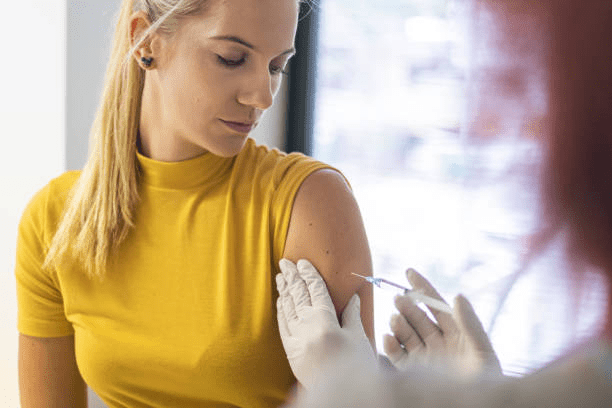
Remember when getting vaccinated against COVID-19 became a key part of life? That’s where mRNA vaccines like Pfizer and Moderna came in, changing the game in public health. Understanding how these vaccines work is crucial, especially with all the buzz and misinformation out there.
By learning about mRNA vaccines, you’re not just grasping a piece of medical technology, but also empowering yourself to make informed health choices. In this article, we’ll break down how mRNA works, how these vaccines differ from traditional ones, their safety, and what the future holds for this innovative technology.
What is mRNA?
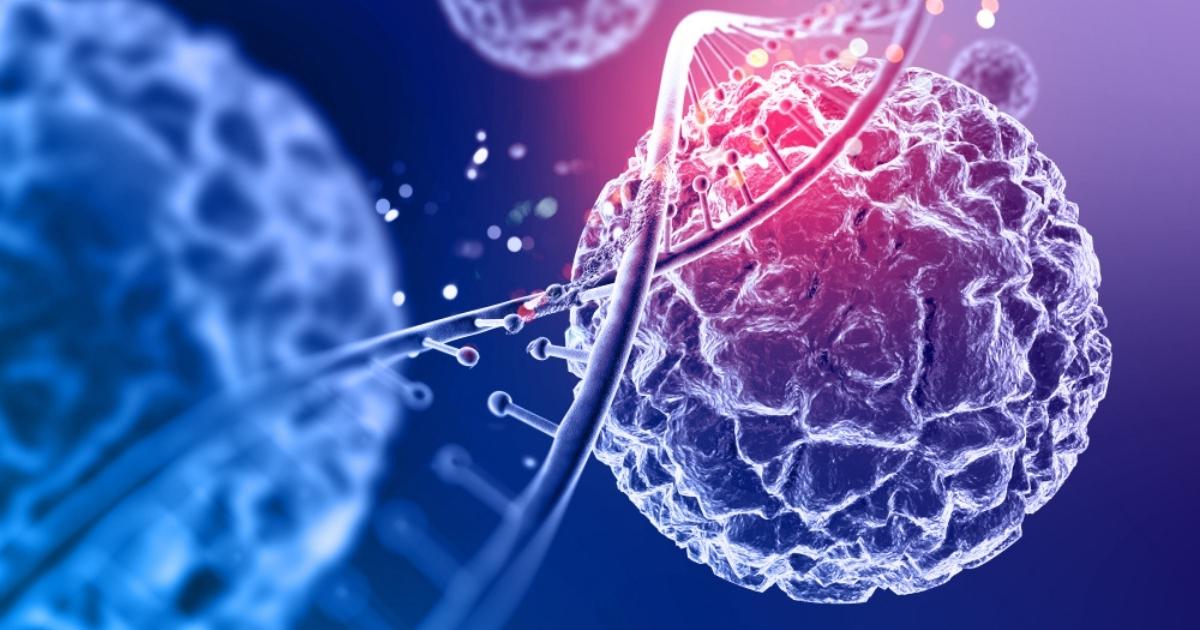
mRNA stands for “messenger ribonucleic acid”—basically, it’s a tiny instruction manual your body uses to make proteins. Every cell in your body has mRNA, and it’s natural. Think of it like a recipe card copied from your DNA and handed to your body’s protein-making kitchen. It tells your cells which proteins to build to keep you alive and healthy. Scientists have known about mRNA for decades.
What is new is how we’re now using it in medicine, especially vaccines. Instead of injecting part of a virus, mRNA vaccines give your body the code to make a small, harmless piece of it. Your immune system then sees that piece, realizes it doesn’t belong, and prepares to fight.
How Do mRNA Vaccines Work?
Here’s the simple version: mRNA vaccines deliver a tiny piece of lab-made mRNA into your body. This mRNA carries the blueprint for a harmless part of a virus, like the spike protein from COVID-19. Once your cells read the instructions, they make that spike protein and show it to your immune system.
Your immune system then says, “Hey, that doesn’t belong here,” and gets to work building defenses. So if the real virus shows up later, your body is ready to fight it off fast.
Important note: mRNA never enters the nucleus of your cells and can’t change your DNA. It breaks down naturally after its job is done.
Scientists can design mRNA vaccines quickly. The technology is fast, flexible, and precise—like sending your immune system a high-speed training manual.
How Are mRNA Vaccines Different from Traditional Vaccines?
Here’s how mRNA vaccines stack up against traditional types:
| Vaccine Type | What It Uses | Notes |
| Inactivated Vaccines | Contain killed viruses that can’t cause disease. | Tried and true, but slower to make |
| Live Attenuated | Contain weakened viruses that trigger an immune response. | Long-lasting, but not for everyone |
| Protein Subunit | Include harmless pieces of the virus (like proteins) to stimulate immunity. | Safe, but time-consuming to produce |
| mRNA Vaccine | Instructions for making a virus protein | Fast, clean, and adaptable |
Key Differences with mRNA Vaccines:
- Speed: Traditional vaccines often take years to develop, requiring growing viruses or purifying proteins. mRNA vaccines can be developed and modified quickly in response to new viral variants.
- Flexibility: They can be adapted for different viruses without cultivating live pathogens.
- Scalability: Production is efficient, allowing for rapid scaling to meet public health needs.
These characteristics make mRNA vaccines a powerful tool in modern medicine.
Are They Safe? Common Misconceptions Explained
Safety is always the biggest concern. mRNA vaccines underwent rigorous clinical trials involving tens of thousands of people. The result? They’re incredibly safe.
Another concern is side effects. Some people feel sore or tired, and they may get a fever. That’s a positive sign that the immune system responds and builds protection.
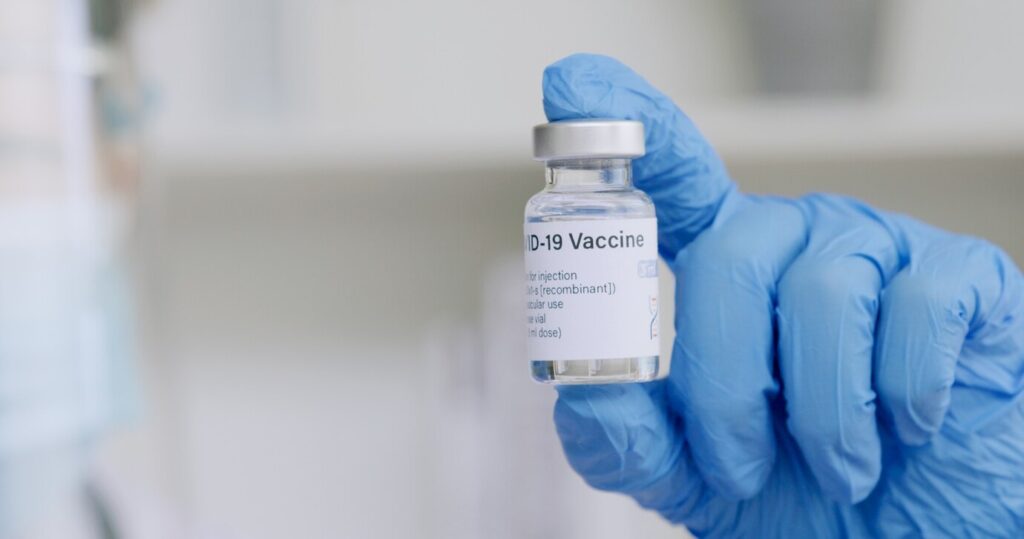
Real-world data continues to back this up. Healthcare professionals, many in online BSN to DNP programs, now learn about mRNA tech as part of modern medical training. Bottom line: the benefits massively outweigh the risks.
The Future of mRNA Technology
The potential of mRNA technology goes beyond just COVID-19 vaccines. Scientists are excited about its applications in developing cancer vaccines targeting specific tumours and triggering the immune system to attack cancer cells. mRNA technology is also being explored for vaccines against other infectious diseases like influenza, Zika virus, and respiratory syncytial virus (RSV).
Personalized medicine is another promising area; researchers are looking at tailoring mRNA vaccines to fit individual patient profiles, which could revolutionize how we approach treatments. The rapid advancements in mRNA technology showcase its effectiveness in fighting current viruses and open up new possibilities for preventing diseases we once considered challenging to tackle.
mRNA vaccines represent a giant leap forward in how we fight disease. They’re safe, effective, and a prime example of how science can adapt to meet urgent global needs. Understanding how they work helps us reduce the noise and make informed health choices. Encouraging informed discussions and trust in science. Whether you’re curious or cautious, keep asking questions. The more we learn, the better prepared we are for whatever comes next.

