
Prof. (Dr.) Tanu Jindal
More Than Meets the Eye
As modern societies grapple with smog-filled skies, polluted rivers, and mounting waste, the true cost of environmental degradation remains hidden—in our lungs, blood, and minds. In this special episode of the InnoHEALTH Magazine Podcast, Dr. Tanu Jindal, environmental scientist and Group Additional Pro Vice Chancellor (R&D) at Amity University, highlighted how our health is inextricably linked to the environment.
“Our environment is our health.”
Air Pollution: Beyond PM2.5
While PM2.5 and PM10 dominate air quality discussions, Dr. Jindal emphasized a broader threat—gases like carbon monoxide, nitrogen oxides, and ozone. These compounds, often released from open drains and industrial activity, combine with particulate matter to wreak havoc on human health.
She described how fine particles act as carriers for toxins, entering our bloodstream and causing respiratory, cardiovascular, and even neurological damage.
“If they damage machines, imagine what they do to our lungs.”
Water Quality: The Crisis Beneath Our Feet
Dr. Jindal warned that while attention is on river pollution, groundwater contamination—especially in urban areas like Delhi—is a graver threat. Toxic waste from open drains leaches into the water table, carrying ammonia, chlorine, and fecal matter.
“The real danger is not just pollution of Yamuna, but the infiltration of contamination into groundwater.”
Air and Cognitive Health: A Silent Threat
Recent research by her team found a link between air pollution and diminished cognitive performance, especially in asthma patients. Pollutants impair sensory input, affect heart function, and ultimately reduce brain efficiency—most significantly among children and the elderly.
Waste Management: The Broken System
India generates over 62 million tons of waste yearly, yet only a fraction is processed effectively. Dr. Jindal advocates for decentralized, community-driven solutions like segregation at source and home composting.
“When scrap dealers come to your home every month, why not give them your plastics and bottles?”
She also pointed out the inefficiency of sewage treatment plants, suggesting that households consider mini-STPs, similar to using inverters for power cuts.
Environmental Policing: Turning Awareness into Action
Dr. Jindal proposed establishing Environmental Policing Units to enforce eco-regulations, drawing parallels with traffic policing. Simple penalties for littering or dumping puja waste could foster a culture of accountability while creating jobs.
“Let’s train people and create accountability with awareness.”
Low-Cost Innovations for Everyday Sustainability
To bridge the gap between awareness and action, her team has developed:
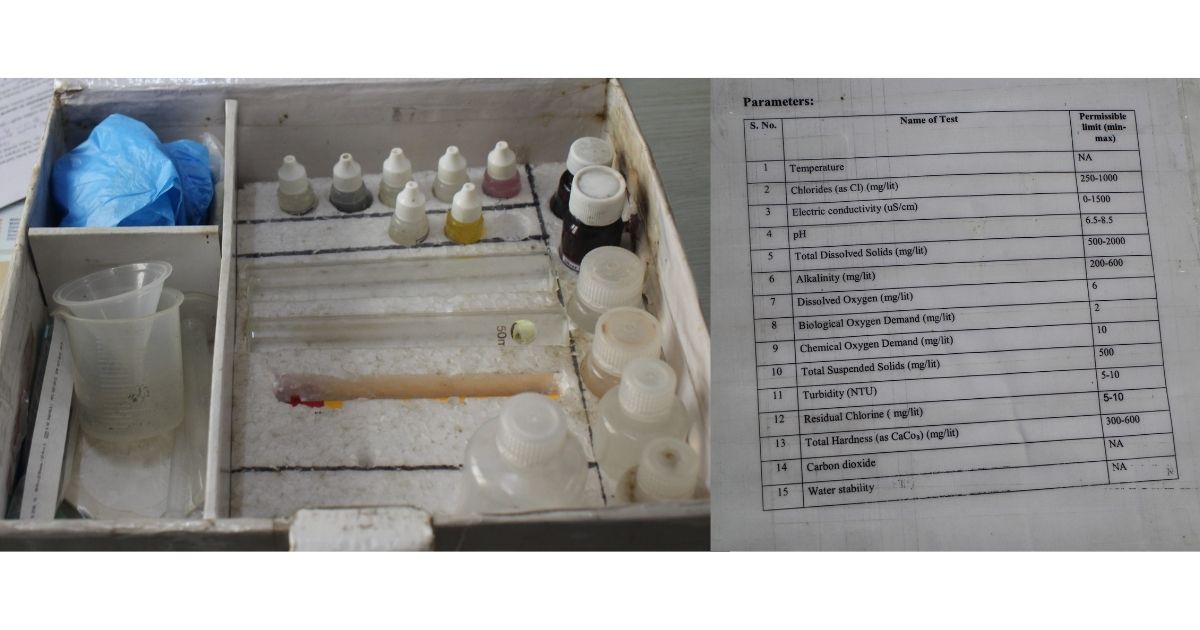
- A ₹100 water testing kit
- A sustainable air purifier that blends with home décor
- Algae-based biofuel suitable for cold regions
“Why send your water sample to a lab for ₹12,000, when you can test it at home for ₹100?”
Festivals, Firecrackers, and Finding Balance
Dr. Jindal urged a balanced view during festival seasons. She advocated for regulated, community-based firecracker displays and centralized celebrations to reduce pollution without eroding cultural traditions.
Climate Change: Everyday Actions That Matter
With global warming intensifying, she suggests practical steps:
- Keep five indoor oxygen-releasing plants
- Reforest riverbanks
- Use seed bombing to regenerate forests in arid areas
“Let’s give lungs to our homes.”
Agricultural Reform: Moving Beyond Pesticides
India’s liberal pesticide use causes widespread contamination. Dr. Jindal recommends shifting to controlled-release formulations, biopesticides, and stronger support for organic farming through farmer training programs.
“When we spray pesticides, only 1% hits the target. 99% pollutes our air, water, and food.”
Sustained Campaigns, Not Short Bursts
Many government initiatives lose momentum without consistent enforcement. Dr. Jindal emphasizes institutionalizing green practices in communities, schools, and workplaces—with reward systems to maintain momentum.
“Awareness without enforcement is like cleaning a drain while still pouring sewage into it.”
Final Thoughts: A Shared Responsibility
Environmental harm is a slow form of societal damage. Dr. Jindal urges every citizen to take small, consistent actions—waste segregation, tree planting, reduced plastic use, and supporting eco-innovations.
“Slow poisoning a society is also murder.”
Let This Be the Beginning
Our environment is not separate from us—it is us. Every breath, every drop of water, and every bite of food is shaped by how we treat our surroundings. The time to act is now.
“A stitch in time saves nine.”
Authors Biography
Prof. (Dr.) Tanu Jindal, Pro Vice Chancellor (R&D) at Amity University, is an environmental scientist with 25 years’ experience in pollution research, sustainability, and academic leadership across multiple institutes.

