

Akhter Rasool
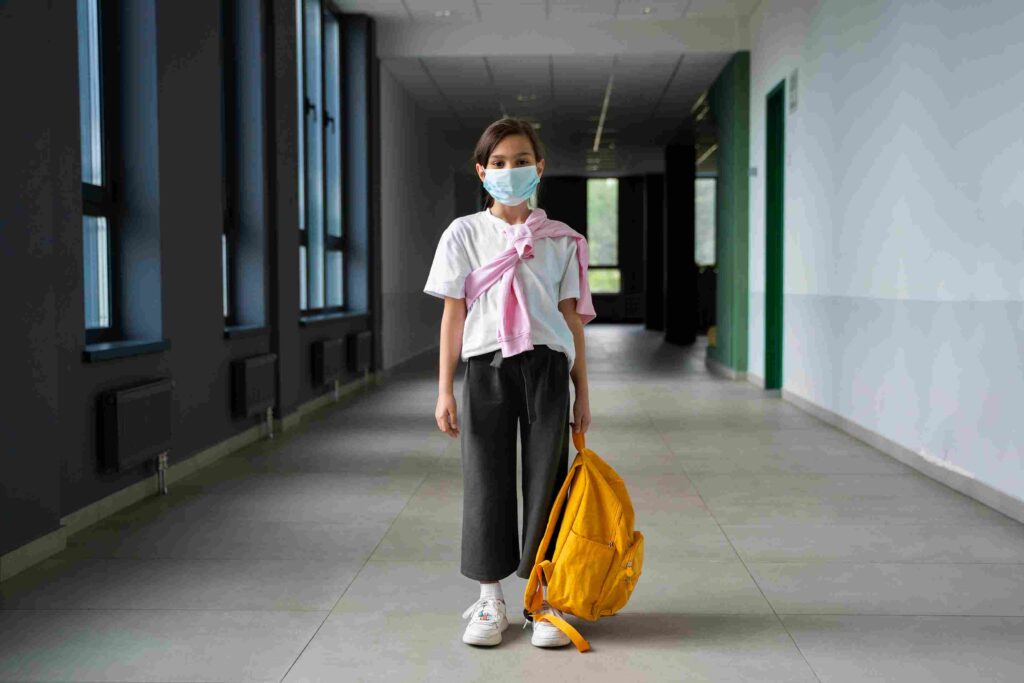
India’s schoolchildren are standing at a defining crossroads. Their health landscape is shifting rapidly, and the challenges they face are unlike any seen before. For decades, undernutrition was the central concern, with stunting, wasting, and being underweight impeding growth, cognitive abilities, and academic performance. These remain unresolved issues even today. But now, they coexist with a new and alarming crisis—overnutrition and lifestyle-related disorders.
An AIIMS study highlights this transformation vividly: childhood obesity in Delhi has surged from just 5% in 2006 to 24% in 2025. The gap is stark between private and government schools, with children in the former five times more likely to be obese—largely driven by fast food, ultra-processed diets, sedentary routines, screen dependency, and demanding schedules. Nationally, the World Obesity Atlas estimates 33 million Indian children are overweight or obese today, a number expected to soar to 83 million by 2035 if left unchecked.
Yet, this story is not just about excess. Micronutrient deficiencies continue to silently undermine growth and learning, irrespective of weight. The consequences are visible daily: children skipping breakfast, relying on snacks, struggling with fatigue, digestive issues, weakened immunity, anxiety, and poor classroom performance. The “dual burden” of malnutrition—deficiency and excess—threatens both body and mind.
Equally urgent is the growing mental health epidemic among children. A 2022 study revealed that 27% of Indian children and adolescents experience depression, 26% face anxiety disorders, while many struggle with hyperactivity, peer conflicts, and emotional instability. The triggers are complex—academic stress, family pressures, bullying, trauma, and lack of accessible support. Warning signs such as persistent irritability, sleep disturbances, loss of interest in hobbies, or sudden behavioral changes often go unnoticed.
Digital overexposure worsens the problem. The IAMAI (2023) study shows teenagers spend two to three hours daily on platforms like Instagram and YouTube. Early smartphone use (before age 13) is linked to higher risks of depression, aggression, sleep disruptions, and self-harm tendencies. The vulnerability of young minds to online interactions cannot be ignored.
Amid this crisis, schools must transform from being mere centres of academic learning to frontline defenders of holistic child health. This requires systemic reform:
- Reimagining Health & Physical Education: Beyond games, PE must focus on movement skills, fitness, and inclusivity, led by trained specialists. Health education should cover nutrition, hygiene, mental well-being, digital literacy, relationships, and safety. Japan’s holistic approach offers inspiration.
- Optimizing PM Poshan (Midday Meal): As one of the largest nutrition programmes worldwide, it must evolve into both a provider of balanced meals and a “living classroom” for practical nutrition education, tackling undernutrition while discouraging junk food.
- Prioritizing Mental Health: Mandatory orientation for teachers and students, accessible counseling, resilience-building programs, peer support groups, and stress-free communication between parents and educators are critical.
- Promoting Smart Routines: Schools must advocate balanced screen time, proper sleep, hydration, and healthy habits, reinforcing them at home.
- Learning Globally: From France’s parental consent laws for social media, to Singapore’s national safety commission and UK’s peer-led anti-bullying initiatives, India must adapt global best practices to local realities.

Creating a sustainable child health ecosystem requires collective effort. Regular health screenings in schools, active involvement of healthcare professionals, parent workshops, and community engagement must complement classroom efforts. Policy action is equally vital, especially regulating junk food marketing and curbing the spread of ultra-processed foods—a call already made by the Nutrition Advocacy in Public Interest (NAPi).
The physical and mental health of India’s schoolchildren is not peripheral—it is central to their learning, resilience, and future. The responsibility rests not only with schools but equally with policymakers, parents, and healthcare professionals.
What children experience today—nutritionally, emotionally, digitally—shapes the adults they will become tomorrow. Investing in their health is the single most important investment in India’s future. The time to act is not tomorrow—it is now.
Authors Biography
Akhter Rasool is a veterinarian and independent researcher

