
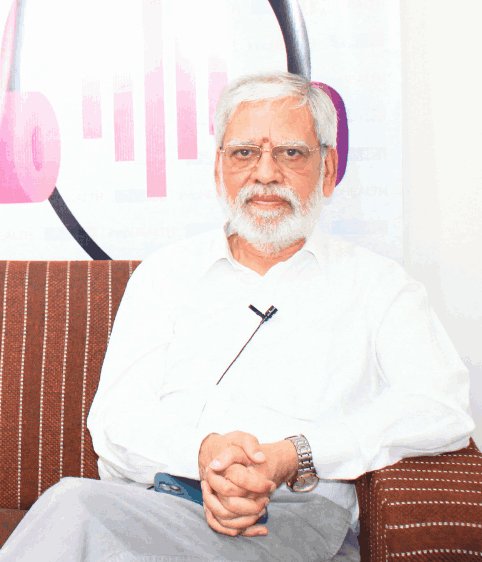
Dr. Rakesh Kumar Gorea
In this episode of InnoHEALTH Magazine, Dr. Rakesh Kumar Gorea, a leading figure in forensic nursing, shared his insights into the vital role forensic nursing plays in medico-legal cases, particularly in India. Dr. Gorea, known as the father of forensic nursing in India, discussed how this discipline is shaping medico-legal practice and improving the care and justice system for victims of various crimes, including domestic violence, child abuse, and sexual assault.
The Journey to Forensic Nursing
Dr. Gorea’s interest in forensic nursing began after attending a lecture by Virginia Lynch, the mother of forensic nursing in the USA, in 2002. The lecture ignited his desire to bring forensic nursing science to India. He believed that, if it was possible in the United States, it could also be implemented in India, where a large number of nurses could be trained to serve as crucial members of medico-legal teams.
Dr. Gorea began his efforts in Punjab, and then gradually expanded throughout North India and other parts of the world, helping establish forensic nursing science as an essential practice in medico-legal cases. He emphasized that forensic nurses, if well-trained, could play a pivotal role in addressing sensitive cases by providing care, collecting evidence, and helping bring justice to victims.
The Role and Scope of Forensic Nurses in India
Forensic nursing is a specialized field, and Dr. Gorea outlined several crucial roles that forensic nurses can undertake. In India, forensic nurses play an important role in different scenarios:
- Post-mortem Care: Nurses can assist in post-mortem examinations, from receiving the body to helping with documentation and communicating with the police. They can even participate in reconstructing mutilated bodies, ensuring that the deceased are returned to their families in the most respectful manner possible.
- Emergency Care: In cases where patients are severely injured or have ingested poison, forensic nurses are instrumental in administering first aid while ensuring that evidence is preserved.
- Sexual Assault: Nurses are trained to handle cases of sexual assault, where they help collect and preserve evidence, provide psychological support to victims, and maintain the chain of evidence as the case moves through the legal system.
- Child and Elder Abuse: Forensic nurses can help identify and report cases of abuse, whether physical or psychological, in children or elderly individuals. They can also provide much-needed psychological support to the victims and their families.
- Mass Disasters and Other Challenging Scenarios: Nurses are trained to handle complex situations like mass disasters, identification of deceased victims, child trafficking, and abuse in prisons.
Dr. Gorea emphasized that forensic nurses are also involved in legal processes, helping police officers collect biological evidence, assisting lawyers in framing cross-questions, and working with insurance companies to prevent fraudulent claims. He believes that forensic nurses have a unique position to aid in the investigation process and improve society through their diverse skill sets.
Training Differences: India vs. Abroad
While forensic nursing has made great strides in India, Dr. Gorea pointed out that the practice varies significantly from Western countries like the USA. In the U.S., forensic nurses predominantly work as sexual assault nurse examiners and at crime scenes or in mortuaries. In contrast, India has visualized a broader scope for forensic nurses, including post-mortem care, emergency response, and working in various cases of abuse and neglect.
Dr. Gorea emphasized the importance of adapting foreign practices to meet the specific needs of India, rather than blindly following Western standards. The unique challenges of the country, including cultural, social, and legal factors, must be taken into account when shaping forensic nursing education and practice in India.
The Role of Ethics in Forensic Medicine
Ethics are paramount in forensic cases, and Dr. Gorea stressed the importance of honesty and integrity in forensic practice. Medical professionals, especially those involved in forensic science, must adhere to ethical principles to ensure justice is served. If medical facts are manipulated or mishandled, the integrity of the entire case could be compromised.
Dr. Gorea believes that teaching ethics is essential, but it must be modeled by leaders in the field. By demonstrating honest, ethical practices, mentors can instill these values in their students and ensure that they carry them forward into their professional lives.
Challenges in the Courtroom
Dr. Gorea also discussed the challenges faced by forensic professionals when presenting medical cases in court. He mentioned that forensic professionals, especially those new to the field, often face difficulties during cross-examination. However, he encouraged his students to be confident and honest, emphasizing that when the truth is on their side, they should speak it freely, no matter how difficult the situation may be.
Other challenges include logistical issues such as long waiting times in courtrooms and the lack of travel reimbursement for professionals summoned to testify. Nonetheless, Dr. Gorea suggested that forensic professionals should maintain professionalism and integrity in court, and he encouraged them to be punctual, prepared, and respectful.
Recommendations for Reform
Dr. Gorea shared his thoughts on potential reforms in forensic medicine, particularly in post-mortem examinations. He noted that the cleanliness and conditions of mortuaries should be improved, and post-mortem exams should ideally be conducted by trained professionals to ensure accurate and reliable reports. He also emphasized the importance of proper training for medical officers involved in forensic work, especially in the areas of rape, poisoning, and injury cases.
Conclusion
Dr. Rakesh Kumar Gorea’s pioneering work in forensic nursing has brought significant improvements to the medico-legal field in India. His emphasis on ethics, education, and social justice has had a lasting impact on how forensic nursing is practiced and how victims of abuse and violence are cared for. As forensic nursing continues to grow, Dr. Gorea’s work and vision will undoubtedly remain a guiding force in shaping the future of the profession in India and abroad.
Authors Biography
Dr. Rakesh Kumar Gorea is a Professor, Emeritus and former Executive Director at Baba Farid University’s Medico-Legal Institute, is the father of forensic nursing in India and a global leader in ethics, education, and child protection.

