
Dr. Bhim Singh
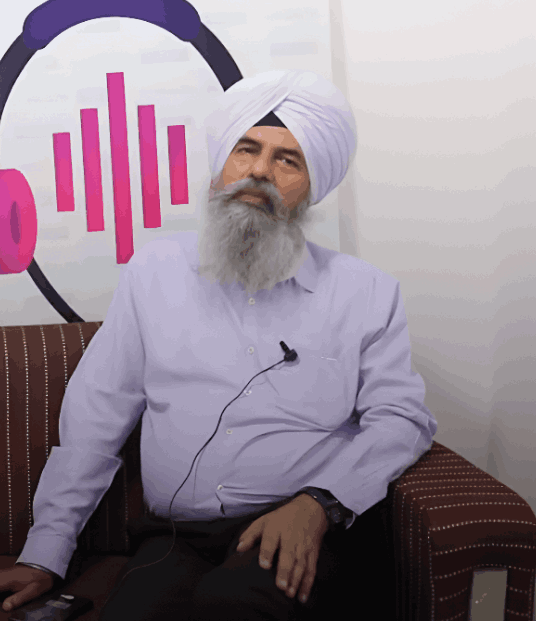
In this enlightening episode of the InnoHEALTH Magazine Podcast, Dr. Soumya Singh dives deep into the world of forensic medicine with Dr. Bhim Singh, an expert with over 8,000 autopsies to his name. Dr. Singh is a Professor and Head of Forensic Medicine at Subharti Medical College in Meerut, India. He shares his extensive experience in medico-legal cases, violent deaths, and public health forensics, along with his role in training police officers, judicial personnel, and conducting medico-legal consultations.
The Journey of Forensic Medicine
Dr. Singh explains that the journey of forensic medicine is rooted in its ancient history, dating back to around 3000 BC when the first murder cases were solved. Forensic medicine applies medical knowledge to the administration of justice, particularly in determining the cause and manner of death in suspicious cases. For instance, if a person sustains an injury and foul play is suspected, the attending doctor must treat the case as a medico-legal one, informing the police for further investigation.
Real World Challenges in Forensic Medicine
The podcast delves into the challenges faced by medical professionals, lawyers, and police in the forensic field. Dr. Singh highlights the common misconceptions that many people in India have about the legal process, often driven by fear of prolonged legal battles or the threat of bribery, which can sometimes obscure the truth.
Autopsy Procedure: From Crime Scene to Courtroom
Dr. Singh elaborates on the detailed steps involved in an autopsy. It begins at the crime scene when the police receive a report, often involving witnesses who assist with gathering evidence. The body is then examined, with a thorough report prepared that includes information on the condition of the body, injuries, clothing, and orifices. This is followed by the preparation of a “dead body chalan” (or panch nama), which is the official document recording these findings.
Once the body reaches the mortuary, the forensic examination begins. Dr. Singh emphasizes that for criminal cases, the police request the postmortem to determine the cause, manner, and time of death. He also describes how forensic experts distinguish between antemortem and postmortem injuries. For example, in cases of hanging, a postmortem examination can reveal signs of asphyxia and congestion, while in postmortem hanging, these signs are absent.
Addressing Mass Disasters and Pandemics
Dr. Singh also addresses the preparedness of India in dealing with mass disasters or pandemics. One of the most significant challenges in these situations is identifying victims, especially when bodies are decomposed. DNA samples, fingerprints, and even Aadhaar cards are used for identification, while X-rays help estimate the age of the deceased when other identifying factors are unavailable.
The Role of Science in the Courtroom
A major concern raised by Dr. Singh is the occasional communication gap between science and the courtroom. While forensic experts rely on scientific principles, defense lawyers often attempt to divert cases by challenging expert testimonies. Dr. Singh stresses that doctors must remain neutral in such situations, providing only their scientific opinion, despite external pressures.
He recalls a specific case in which a body was initially believed to have drowned but was later revealed by the CBI to have been murdered by throttling. He also shares the case of a woman who was murdered with a gun, and her body was later found severely burned. An X-ray revealed that blood had been trapped in her head, leading to the identification of the true cause of death.
Forensic Medicine in the Future: AI and DNA Technology
Looking forward, Dr. Singh discusses the potential role of AI and DNA technology in forensic medicine. While AI could assist in data analysis, he believes that each case in forensic medicine is unique. Criminals are becoming increasingly innovative, and forensic experts must stay ahead of emerging methods of crime.
Advancing the Practice of Forensic Medicine in India
Dr. Singh concludes by offering advice to young doctors considering a career in forensic medicine. He emphasizes the importance of specialized training, particularly the 2012 government mandate that postmortems be conducted only by experts with an MD in forensic medicine. He points out that many medical officers still lack the knowledge and expertise required for proper forensic investigations, and this deficiency undermines the credibility of the profession.
Moreover, Dr. Singh calls for a more comprehensive integration of forensic medicine into medical education, suggesting that forensic expertise should be a central part of the MBBS curriculum. He also advises aspiring forensic experts to be prepared for a rigorous understanding of medicine, surgery, and law, as advocates and legal professionals are increasingly well-versed in medical knowledge.
Authors Biography
Dr. Bhim Singh, Professor and Head of Forensic Medicine at Subharti Medical College, Meerut, has conducted 8000+ autopsies and leads medico-legal training, consultation, and research in forensic investigation and public health forensics.

