
Prasanna Kanuparthi
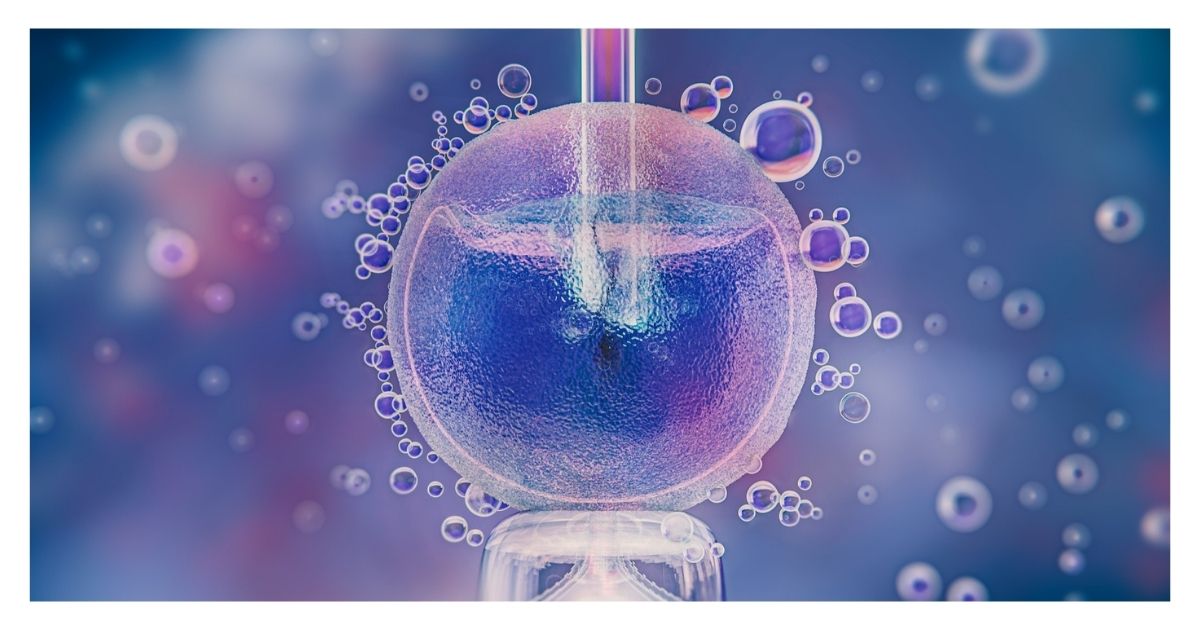
We are witnessing a groundbreaking frontier in reproductive science: in vitro gametogenesis (IVG). This innovative technique empowers us to create functional eggs and sperm from induced pluripotent stem cells (iPSCs) or embryonic stem cells (ESCs) within the confines of a laboratory. While in vitro fertilization (IVF) has a longer history, dating back to the first human IVF baby in 1978 (Steptoe and Edwards, 1978), the direct creation of gametes de novo in vitro represents a more recent and profound pursuit.
Identifying the absolute “first” IVG study can be elusive, given the incremental nature of scientific breakthroughs. Nevertheless, 2009 marked a pivotal moment. Ohinata et al. (2009) published a landmark study, pinpointing crucial signals like BMP4 essential for specifying germ cell fate in mice. This foundational research provided the blueprint for in vitro germ cell reconstitution, paving the way for subsequent discoveries. Since Ohinata’s groundbreaking work, IVG research has progressed rapidly, especially in mouse models. We have successfully reconstituted the entire developmental cycle of both male and female mouse germ cells in vitro. Notably, Hikabe and his co-authors(2016) achieved a significant milestone, producing functional oocytes from mouse iPSCs. After fertilization, these oocytes led to the birth of healthy, fertile offspring. Yoshino and his co-authors (2021) further advanced male gametogenesis from mouse stem cells. More recently, Murakami and his co-authors (2023) demonstrated the remarkable creation of functional oocytes from male mouse-derived iPSCs, a process termed “germ cell interconversion,” even resulting in mice with two biological fathers. These successes in mice vividly illustrate IVG’s immense potential to conquer various forms of infertility and broaden reproductive options. We can now replicate the complete developmental process of gametes outside the body in rodent systems.
While animal models have shown extraordinary success, translating IVG to human gametes presents substantial challenges. We still do not fully comprehend the precise mechanisms governing human germ cell differentiation and development. However, researchers are actively pursuing this objective. Recent reports indicate progress in reprogramming human somatic cells, such as skin cells, into early-stage sperm and egg precursors. We are nearing the stage where in vitro-derived sperm and immature egg cells might become achievable. Yet, the creation of fully functional, mature human gametes capable of fertilization and leading to viable offspring remains an unachieved goal due to challenges in the replication of the end step of gametogenesis i.e., meiosis. The Human Fertilisation and Embryology Authority (HFEA) in the UK suggests lab-grown human gametes may become a practical option within the next decade (IVF.net, 2025).
Gene Editing’s Gambit: Reshaping IVG’s Landscape:
The combination of gene editing technologies, especially CRISPR-Cas9, with IVG could significantly advance reproductive medicine. This powerful duo offers the potential to prevent inherited disorders by correcting disease-causing mutations in stem cells before they become gametes, allowing parents with genetic conditions to have healthy offspring (ASGCT, 2025). IVG could also enable the creation of more embryos for enhanced embryo selection through preimplantation genetic testing, though this raises ethical concerns about “designer babies” and selecting non-therapeutic traits. Furthermore, gene editing is an invaluable tool for deciphering gamete development by allowing precise manipulation of genes in stem cells, which will accelerate our understanding of human reproduction and infertility.
Nevertheless, we must approach germline gene editing with extreme caution due to the permanent, heritable changes it introduces. Ethical and safety concerns, including potential off-target effects and mosaicism, are paramount and demand robust regulatory frameworks (ASGCT, 2025).
AI’s Alliance: Powering IVG’s Progress:
Artificial intelligence (AI) is set to revolutionize In Vitro Gametogenesis (IVG) research and clinical applications. AI can optimize differentiation protocols for creating gametes from stem cells by analyzing vast datasets of cellular responses to culture conditions. It can also assess gamete and embryo quality more objectively through image analysis, improving selection for fertilization and implantation. Furthermore, AI can predict IVG success rates and personalize treatment plans by analyzing patient data, aiding those with complex fertility issues. AI can also accelerate drug discovery for gamete development and optimize laboratory workflows by monitoring performance and resource utilization.
The potential for human IVG, especially with gene editing, raises significant concerns about its impact on human evolution and the gene pool, with epigenetics playing a crucial role. IVG could alter natural selection pressures by enabling the in vitro selection of gametes and embryos, potentially reducing genetic diversity if selection for specific traits becomes widespread. This could make populations more vulnerable to environmental changes or diseases. The artificial environment of IVG may also induce epigenetic modifications in developing gametes and embryos, with unknown long-term consequences for the health of IVG-conceived individuals and their descendants (Bavishi Fertility Institute, 2025). If IVG becomes a common reproductive method, particularly with germline gene editing, it could lead to a “human-directed” gene pool, prompting ethical questions about who determines desirable traits and the implications for human diversity. Additionally, IVG could expand parental paradigms by enabling solo or multiplex parenting, challenging traditional family structures, and raising further ethical considerations regarding genetic diversity (IVF.net, 2025).
In conclusion, IVG represents a powerful and rapidly advancing technology with the potential to transform reproductive medicine. While animal studies have yielded remarkable successes, human IVG remains in its nascent stages. The integration of gene editing and AI presents exciting possibilities for therapeutic applications and optimizing the process, but we must proceed with extreme caution and engage in broad public discourse to navigate the profound ethical, social, and evolutionary implications of manipulating human reproduction at such a fundamental level. Understanding and mitigating the potential impact on the human gene pool and epigenetic landscape will be critical as this science progresses.
Authors Biogrphy
Prasanna Kanuparthi, has obtained a PhD in the Biotechnology department. She has in-depth research experience and knowledge on biotic and abiotic stresses. She has authored review articles and research articles in prominent journals.

