
Dr. Soumya Singh
This year in the month of May, a 30-year-old new mother in Gurgaon, India, noticed her left leg swelling painfully just days after giving birth. Doctors quickly discovered a deep vein thrombosis (DVT), a dangerous blood clot running from her thigh to her pelvis. Swift mechanical thrombectomy and a protective filter saved her life. Her case, recently reported by The Times of India, isn’t an isolated one.
Meanwhile, across the globe, Milwaukee Bucks star Damian Lillard was sidelined when doctors diagnosed a blood clot in his right calf. For the public, it was another reminder that thrombosis doesn’t just strike the elderly or chronically ill, it can affect anyone.
These stories echo a growing medical reality: thrombosis is one of the most preventable yet persistently deadly conditions worldwide, claiming one in four lives globally according to the International Society on Thrombosis and Haemostasis (ISTH).
What Exactly Is Thrombosis?
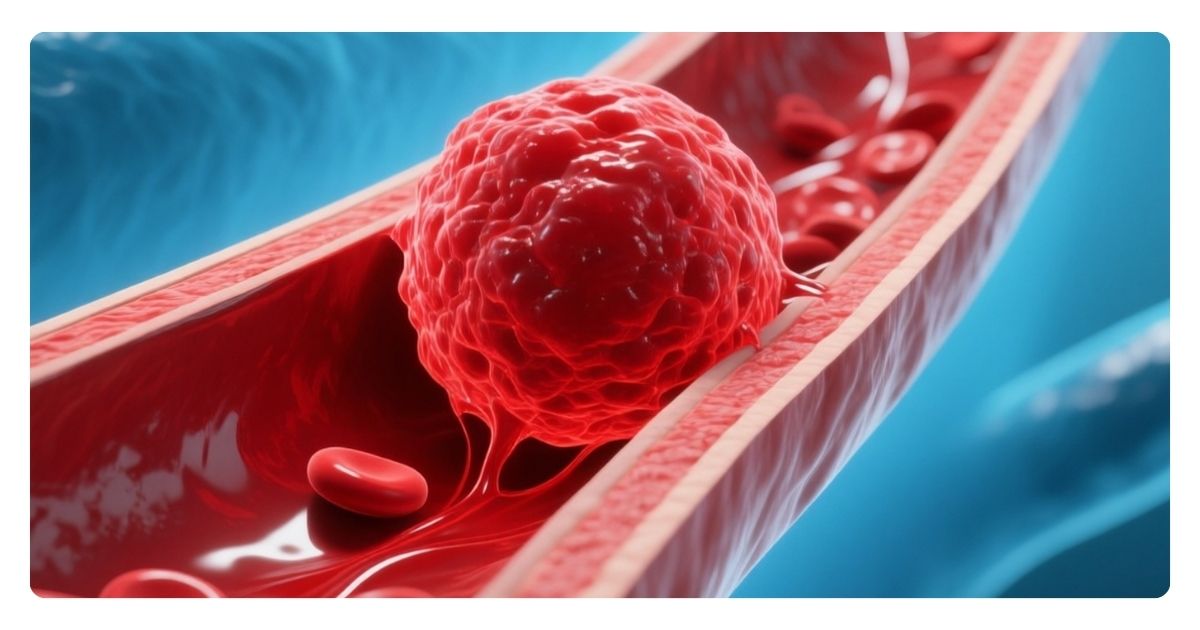
Thrombosis occurs when a blood clot (thrombus) forms inside a blood vessel, blocking normal circulation. If that clot travels, it can lodge in the lungs causing a pulmonary embolism (PE) or even in the brain, resulting in stroke.
The condition comes in several forms:
- Deep Vein Thrombosis (DVT): clots in deep veins, usually in the legs
- Arterial Thrombosis: clots in arteries, potentially triggering heart attacks or strokes
- Cerebral Venous Thrombosis (CVT): rarer clots in the veins of the brain
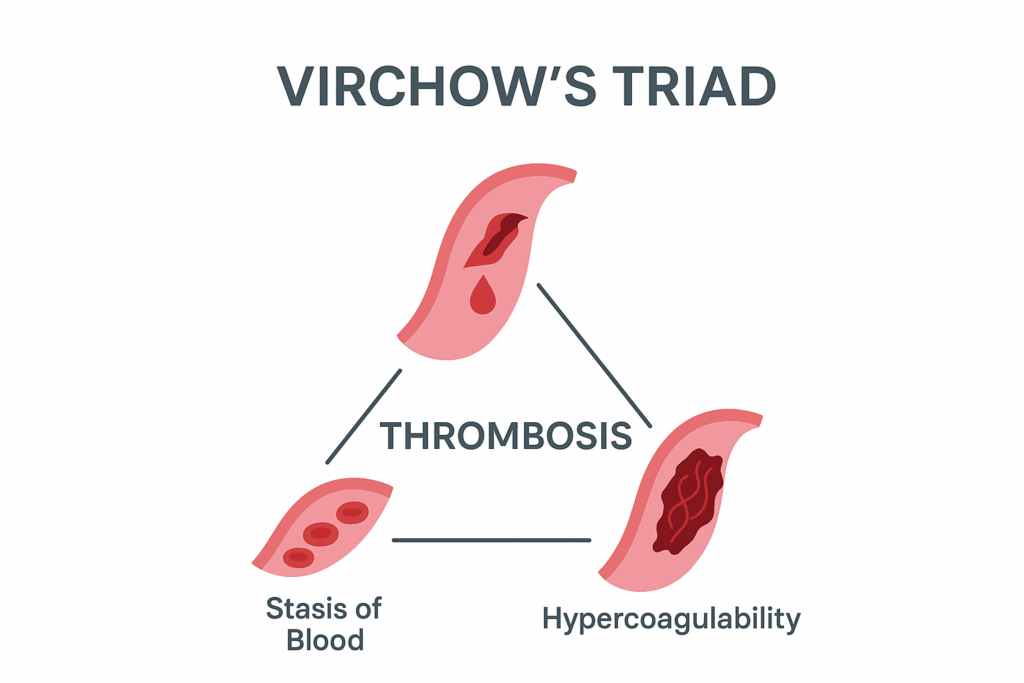
Doctors describe its causes using Virchow’s Triad sluggish blood flow, vessel injury, and “sticky” blood (hypercoagulability). Common risk factors range from immobility and surgery to obesity, pregnancy, smoking, and certain medications.

Why Thrombosis Keeps the Medical World on Edge
Even with decades of research, thrombosis remains unpredictable. “You can see it in a marathon runner or a postpartum mother,” says Dr. Nidhi Sharma, a vascular specialist in New Delhi. “The key is vigilance and rapid diagnosis.”
New data presented at the 2025 ISTH Congress reinforced that vigilance. A large-scale study comparing two leading oral anticoagulants, apixaban and rivaroxaban, found them equally effective for preventing recurrent clots — but apixaban reduced major bleeding by nearly 50%.
“These results could reshape prescribing habits,” says Dr. Michael Reynolds of the Thrombosis Research Institute. “We’re finally learning how to balance clot prevention with safety.”
Breakthroughs from the Lab
Beyond drug refinements, the science of clotting is moving into fascinating territory.
- At the University of Sydney, researchers turned to an unlikely source the African tsetse fly to design an “on-off” anticoagulant inspired by the insect’s saliva, potentially allowing doctors to control when blood thinners work. (The Australian, 2025)
- A Swedish genetic study uncovered three new gene variants linked to a 180% higher risk of venous blood clots, offering potential for personalized risk testing in the near future. (ScienceDaily, 2025)
- On the engineering front, teams are modeling clot formation with AI-driven simulations, helping design smarter mechanical thrombectomy tools that could remove clots with minimal damage
From Hospitals to Headlines
In the U.S.,MyMichigan Medical Center – Midland became the nation’s first DVT Center of Excellence, highlighting a shift toward specialized, coordinated clot care.
Meanwhile, public health agencies, like Ireland’s HSE, are stepping up awareness campaigns reminding citizens to recognize symptoms of early leg pain, swelling, shortness of breath, or chest discomfort. “Blood clots don’t always hurt,” one campaign warns, “but they can still kill.”
A Hidden Risk in Modern Lifestyles
Long flights, remote work, and sedentary habits have all contributed to an uptick in venous thrombosis, especially among younger adults. The post-pandemic shift to desk-bound life has created new challenges.
“People underestimate how motionless hours can affect circulation,” explains physiotherapist and thrombosis educator Jane Conroy. “Even standing or flexing your legs for a few minutes every hour can dramatically reduce risk.”
Hope and Prevention
The good news? Thrombosis is largely preventable and treatable when recognized early. Experts recommend:
- Staying hydrated and moving regularly during long periods of sitting
- Knowing personal risk factors (family history, smoking, hormone therapy)
- Seeking immediate medical help for unexplained leg pain, swelling, or sudden breathlessness
Each October 13, World Thrombosis Day amplifies this message: clots can affect anyone and awareness saves lives.
The Bottom Line
From athletes to new mothers, thrombosis has proven it doesn’t discriminate. But with expanding research, smarter drugs, and growing awareness, the tide may finally be turning.
As medicine advances, the real challenge may not be defeating the clot but ensuring the world keeps moving enough to prevent it.
Authors Biography
Dr. Soumya Singh, Head of Partnerships at InnovatioCuris, is a healthcare expert with a postgraduate degree in Health and Hospital Management and a background in dentistry. Her articles provide valuable insights into healthcare administration and innovation

