
Priyanka Sharma
Diabetes: A Growing Global Concern and the Need for Holistic Management

Diabetes is a chronic metabolic disorder characterized by insufficient insulin production or the body’s inability to effectively use insulin. The global prevalence of diabetes is alarming, with 537 million adults (10.5% of the population) affected. This number is expected to rise to 643 million by 2030 and 783 million by 2045. In India, the prevalence was recorded at 9.6% in 2021, with projections indicating an increase to 10.9% by 2045. In urban centers like Chennai and Delhi, the prevalence is even higher, with reports showing rates of 22-24% among adults. This rise is closely linked to dietary shifts, reduced physical activity, and urbanization, leading to increased consumption of refined foods, sugars, and fats—factors that promote insulin resistance and the eventual onset of type 2 diabetes (IDF Diabetes Atlas, 2021).
The Growing Need for Diabetes Management: A Holistic Approach
Diabetes has become one of the most pressing global health issues, with India being dubbed the “diabetes capital of the world” by organizations like the WHO. Over 77 million people in India are living with diabetes, and this number is projected to grow substantially in the coming years. This escalating burden is largely due to modern lifestyle changes—especially increased consumption of processed foods, sedentary behavior, and urbanization—which not only raise the risk of developing diabetes but also complicate its management. As a result, diabetes is emerging as a significant public health challenge.
Managing diabetes requires a comprehensive approach. While medications and regular monitoring are fundamental, they cannot be the sole solutions. Nutrition plays a pivotal role in diabetes care, offering a means to complement medical treatments. A diet rich in natural, unprocessed ingredients can help stabilize blood sugar levels and reduce the risk of complications. In recent years, there has been growing interest in integrating science with traditional wisdom to develop innovative dietary strategies. Functional foods—those rich in fibers, plant-based nutrients, and low glycemic index ingredients—are proving to be highly effective. For example, adding fiber-rich options like guar gum or antioxidant-rich curry leaves to daily meals can enhance blood sugar control and improve digestion.
On a personal level, even small dietary changes can have a significant impact. Replacing high-calorie snacks with nutrient-dense alternatives can prevent blood sugar spikes and curb cravings. Opting for a wholesome, balanced soup instead of sugary beverages can boost energy and support metabolic health. These changes not only help manage diabetes but also encourage a more mindful approach to eating and self-care. By making thoughtful food choices, we empower ourselves to take control of our health, one meal at a time. Furthermore, we can inspire our families to adopt healthier habits, promoting well-being and happiness for everyone. With functional foods and mindful eating, each meal becomes an opportunity to move towards a more vibrant and healthy life.
Natural Ingredients and Their Role in Diabetes Management

Natural ingredients like guar gum and curry leaves have shown remarkable potential in managing blood sugar levels, offering a harmonious blend of traditional knowledge and modern science. Guar gum, a soluble fiber, slows the absorption of sugars, preventing post-meal spikes in blood glucose. Research supports its effectiveness in managing blood sugar, making it a valuable addition to the diet of individuals with diabetes. Similarly, curry leaves, a staple in traditional medicine, are rich in antioxidants and possess anti-hyperglycemic properties. They help regulate blood sugar by enhancing insulin function and reducing excessive glucose production in the liver.
Indigenous wisdom, particularly from Ayurvedic practices, highlights a wide array of plants known for their beneficial effects on chronic conditions like diabetes. Modern research has validated many of these traditional remedies, further emphasizing the potential of natural plants in managing metabolic disorders. Below is a list of indigenous plants that have shown scientifically backed benefits in managing metabolic disorders:
| Plant Name | Active Component | Potential Benefits |
| Fenugreek (Trigonella foenum-graecum) | Diosgenin, soluble fiber | Lowers blood glucose, improves insulin sensitivity |
| Neem (Azadirachta indica) | Azadirachtin, flavonoids | Anti-diabetic properties, reduces blood glucose |
| Bitter Gourd (Momordica charantia) | Charantin, polypeptide-P | Regulates blood sugar, mimics insulin action |
| Amla (Phyllanthus emblica) | Vitamin C, tannins | Antioxidant, improves lipid profiles |
| Cinnamon (Cinnamomum verum) | Cinnamaldehyde | Lowers fasting blood sugar, anti-inflammatory |
| Turmeric (Curcuma longa) | Curcumin | Reduces inflammation, enhances insulin action |
| Aloe Vera (Aloe barbadensis) | Polysaccharides, lectins | Improves blood sugar regulation |
| Curry Leaves (Murraya koenigii) | Mahanimbine, flavonoids | Supports insulin function, anti-hyperglycemic |
Each of these plants offers unique benefits, addressing not just the symptoms of metabolic disorders but also targeting their root causes. By incorporating such natural ingredients into daily life—whether through food, supplements, or traditional preparations—we move closer to a holistic approach to health. Integrating the wisdom of indigenous practices with modern scientific validation provides a sustainable and effective strategy for managing chronic diseases like diabetes.
Overcoming Common Challenges in Diabetes Management
One of the most common challenges faced by individuals with diabetes is dealing with hunger pangs, cravings, and frequent eating due to fluctuating blood sugar levels. To combat this, incorporating fiber-rich and low glycemic index foods into the diet can help. These foods provide a steady release of energy, promote satiety, and reduce the need for frequent snacking, leading to better blood sugar control.
Research-Based Approaches to Functional Foods
Functional foods are designed not only to provide essential nutrients but also to help regulate blood glucose levels. Some examples of functional foods for diabetes management include:
- Fiber-Enriched Snacks: Made with ingredients like guar gum and fenugreek, these snacks help maintain blood sugar balance while providing a convenient, on-the-go option for busy individuals.
- Nutrient-Dense Soups: Packed with antioxidants and anti-inflammatory compounds, these soups offer a balanced, health-boosting alternative to traditional meals.
- Protein-Based Snacks: Plant-based protein snacks provide sustained energy and help prevent sudden blood sugar spikes, while also supporting muscle health and metabolic stability.
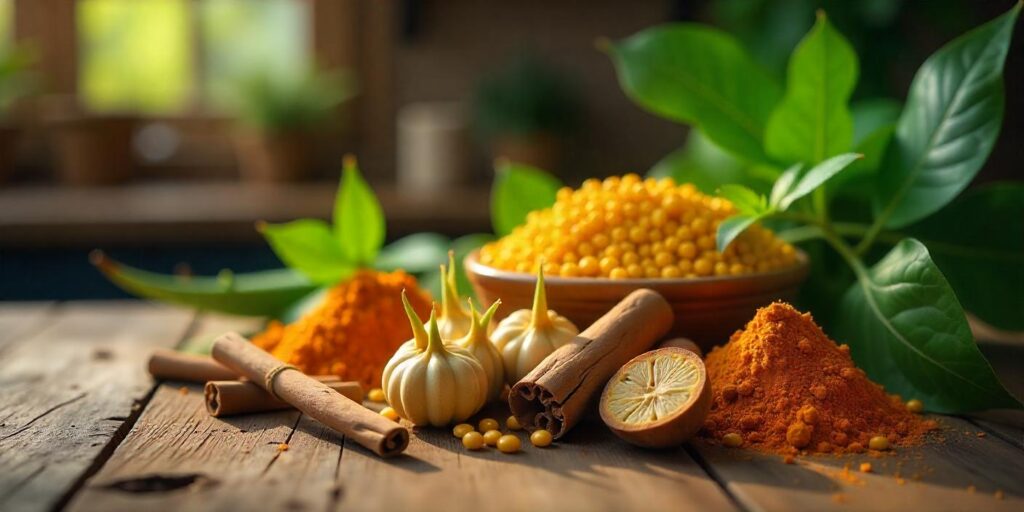
Managing diabetes is not just about controlling blood sugar; it’s about improving overall well-being and embracing a healthier, more balanced lifestyle. By incorporating natural, functional foods into daily diets, we can do more than just manage blood glucose—we can nurture our health holistically. Ingredients like guar gum, curry leaves, and other plant-based nutrients remind us of the powerful connection between nature and health, blending traditional wisdom with modern science. This approach empowers individuals to take charge of their health in a way that feels both personal and sustainable. Every small change—a fiber-rich snack, a nutrient-dense meal, or a mindful dietary choice—can make a meaningful difference in managing diabetes and improving quality of life.
Looking forward, the innovation in functional foods holds incredible promise for diabetes management, offering new ways to tackle the challenges of the disease with solutions grounded in both science and care. By making informed choices and embracing natural ingredients, we can create a future where managing diabetes feels less like a burden and more like a journey toward vitality and happiness.
Author Biography
Priyanka Sharma, founder of Holistic Herbs Daiwik and a pharmacology researcher, developed herbal food products to combat lifestyle diseases. She promotes healthy living through sustainable changes and empowers individuals to manage their health without sacrificing taste.