Dr. Soumya Singh
What if the next big war didn’t start with tanks or missiles but with a cough?
Sounds like science fiction, right? But this is exactly what makes bioterrorism such a frightening idea. It’s the use of viruses, bacteria, or toxins by people or groups to cause harm, chaos, or even mass death. And the scariest part? It’s nearly invisible until it’s already too late.
As our technology advances and pandemics like COVID-19 show us how fragile our world can be, the idea of bioterrorism has gone from something you see in movies to something experts are seriously warning us about.
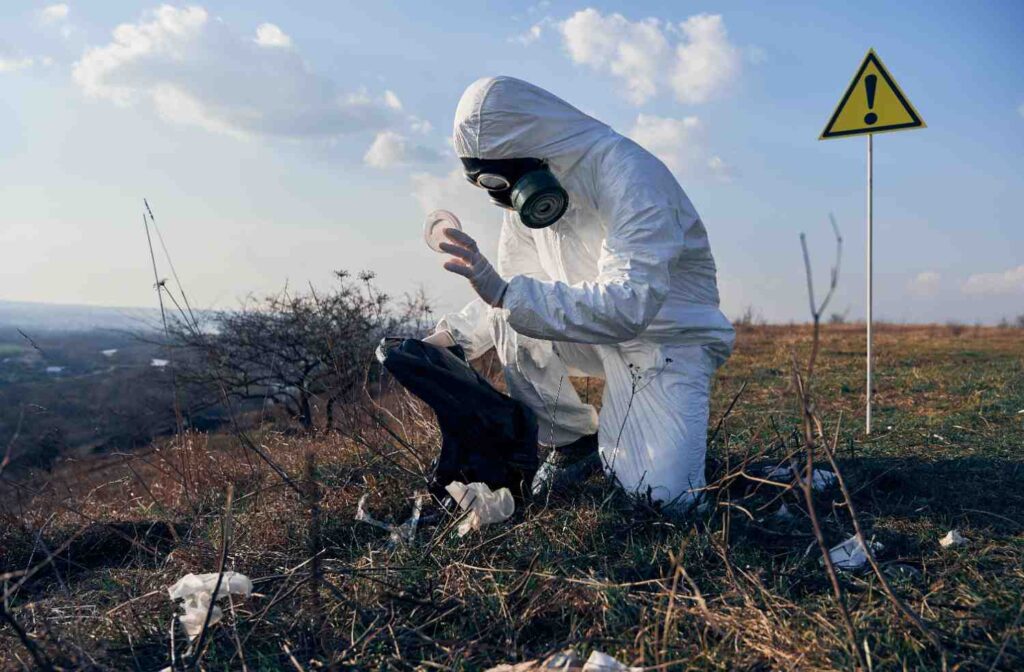
A look back: Bioterrorism isn’t new
While the word bioterrorism might sound modern, using disease as a weapon has been happening for centuries.
- Back in 1346, during the siege of a city called Caffa, Mongol forces reportedly threw plague-infected bodies over the walls to spread disease. That might have even helped spark the Black Death in Europe.
- In World War II, Japan’s infamous Unit 731 experimented on prisoners and released deadly bacteria like anthrax and plague in China.
- Fast forward to 1984, a religious cult in Oregon poisoned salad bars with salmonella to try to rig an election. Over 750 people got sick.
- Then there were the 2001 anthrax letters in the U.S., where powdered anthrax spores were sent through the mail to journalists and senators. Five people died, and the whole country was on edge.
So no, this isn’t just a modern or movie-inspired threat it’s something that’s happened before.
Why Bioterrorism could be the next big threat
We’re living in a time where almost anyone can learn anything online. Combine that with powerful new biotech tools, and you start to see why experts are worried.
Here’s what makes the threat real:
- CRISPR and gene editing let scientists (or bad actors) twist viruses or even build new ones.
- Biological equipment that used to only exist in government labs is now available for purchase online.
- Delivery methods have gotten sneakier think drones, air vents, or even contaminated food.
Unlike nuclear weapons, biological weapons don’t need millions of dollars or rare materials. They can be small, cheap, and very, very effective especially if no one sees them coming.
Was COVID-19 a Bioterrorism attack?
Let’s talk about the elephant in the room.
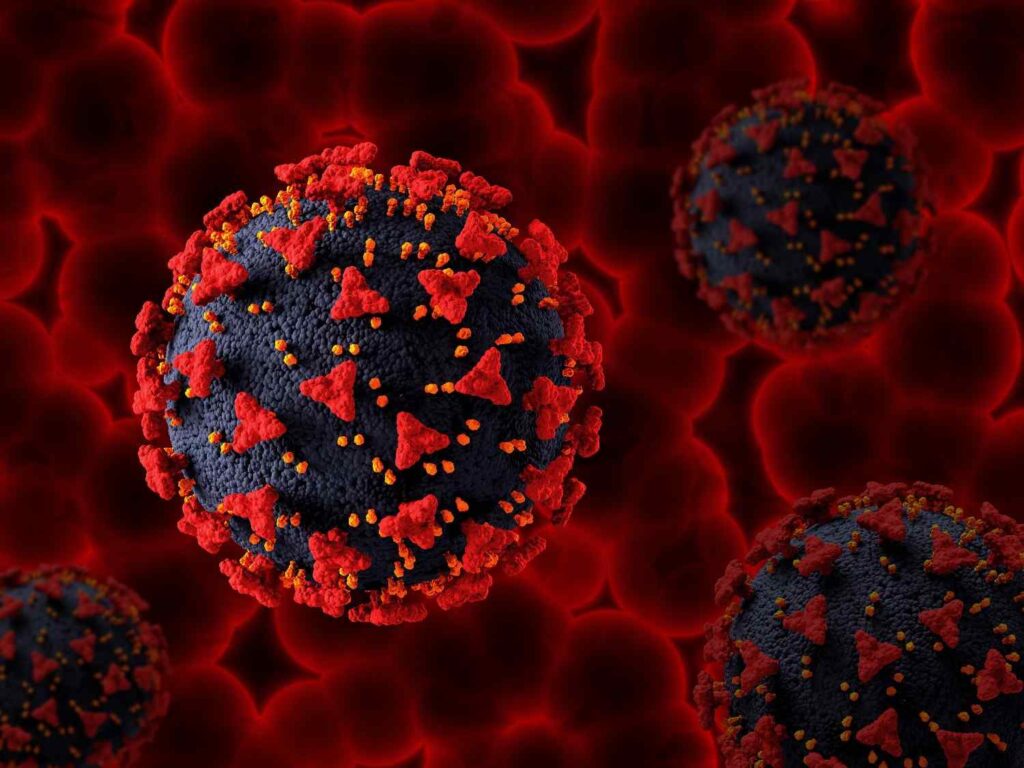
Since COVID-19 rocked the world in 2020, people have wondered: was it just a natural pandemic or was it something more sinister?
Here’s what we know so far:
- Most scientists believe it came from animals probably bats through a process called zoonotic spillover.
- Some researchers and governments are still investigating the idea of a lab leak, but that’s very different from a deliberate attack.
- There’s no real evidence that COVID-19 was a planned bioterrorist act.
But the fact that this question even exists shows how scared people are and how unprepared we were.
The Dark Web: where dangerous ideas can spread
The dark web is like the hidden underbelly of the internet places you can’t find through Google. And yes, it’s as shady as it sounds.
People have reported finding:
- Black market listings for biological agents like ricin or anthrax (though many turn out to be scams or law enforcement traps).
- DIY guides on how to make biological weapons.
- Online spaces where extremists look for people with biology skills.
Even if most of it isn’t real or usable, it shows just how low the barrier could be for someone determined enough to try.
What can we do about it?
This isn’t about fear—it’s about being ready. Here’s how we start:
1. Stronger Global Rules
We need better international agreements and more vigilant on undisclosed research especially when it could be used to create harmful viruses.
2. Better Early Warning Systems
We need to be able to spot and respond to outbreaks faster, with good diagnostics, rapid vaccine development, and global cooperation.
3. More Public Awareness
People working in labs need to understand the risks of dual-use science in the field of research that could help or harm humanity depending on its use.
4. Watch the Digital Space
Governments and cybersecurity teams should monitor the dark web for early signs of bioterror plots, just like they do for cyberattacks.
Final Thoughts: Are we ready?
Bioterrorism isn’t just about scary viruses or high-tech labs,it’s about how connected and vulnerable we’ve become. COVID-19 wasn’t an act of war, but it taught us a hard lesson: invisible threats can shut down the world faster than any army.
This doesn’t mean we should panic. It means we should be smart, stay informed, and take real steps to prepare for a future where the next big threat might come from a petri dish, not a battlefield.
The best weapon we have? Awareness and Action.